
Laying the Groundwork: What to Expect With New Construction Foundations
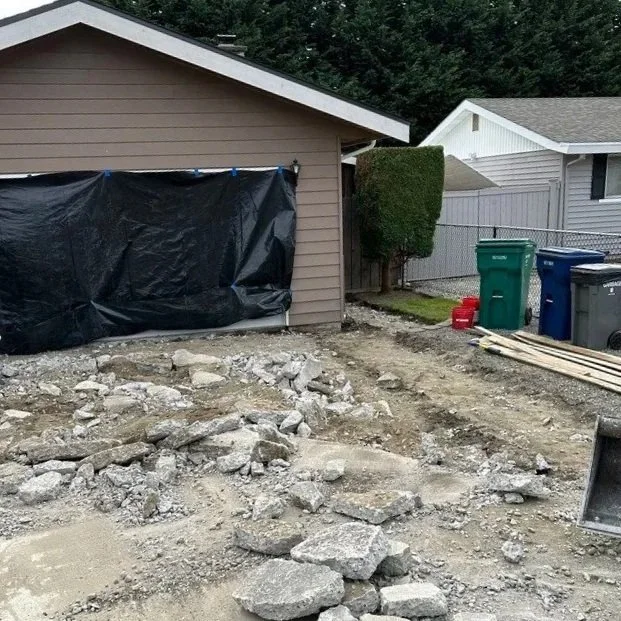
The right foundation provides a safe and reliable base for everything built above it.
A strong foundation serves as the heart of any new construction project, from residential homes to commercial spaces. It's more than just the base layer that holds everything up; it's the crucial starting point for stability and long-term durability. Whether you're building a brand-new home or adding to an existing structure, understanding the process of creating a solid foundation is key. The right foundation provides a safe and reliable base for everything built above it. Concrete remains a top choice for these foundational projects, thanks to its exceptional strength, versatility, and long-lasting qualities.
Understanding the Foundation Process
When starting a new construction project, one of the first steps is digging deep to prepare for the foundation. Whether you're building a new house, adding a second story, or starting any other small-scale construction, the site preparation process is the first and most critical stage. Depending on the project, this step may include clearing the land, leveling the surface, or reinforcing the soil beneath. For residential foundations, proper grading is essential to manage water flow and prevent future drainage issues. Contractors might also use excavation to create space for footings, slabs, or crawl spaces, depending on the foundation type.
Once the site is ready, the next step is to form and pour the concrete. Professionals will place wooden or metal forms around the foundation area to create the shape needed for the concrete to set. Concrete is then mixed and poured into these molds, where it hardens over time, forming a solid, level base. The thickness and type of concrete used will depend on the structure's load-bearing requirements, ensuring the foundation can support the weight of the building and everything inside it. Concrete, when cured properly, provides a strong and durable surface that can withstand temperature changes, moisture, and the test of time.
Choosing the Right Foundation Type
Not all foundations are created equal. The type of foundation chosen for a construction project depends on multiple factors, such as the site's soil conditions, climate, and the building's size and design. For new homes or additions, the most common foundation types are slab-on-grade, crawl space, and full basement.
Slab-on-grade foundations are the most straightforward and cost-effective solution for many smaller homes and commercial buildings. The concrete slab is poured directly onto the ground, providing a simple and durable foundation. Slabs offer excellent resistance to shifting or settling and are ideal for areas with stable soil and a low water table.
Crawl space foundations raise the building off the ground, leaving a small gap between the structure and the earth. This gap provides ventilation and access to plumbing and utilities, making it a practical choice for homeowners and businesses with specific accessibility needs.
Full basement foundations provide a larger space below ground level. While more expensive than slabs or crawl spaces, basements offer additional storage or living space, making them a desirable choice for certain residential projects. These foundations involve digging deeper to allow for a full-height space, making them suitable for homeowners looking to expand their square footage while gaining the stability of a deep, reinforced concrete foundation.
Addressing Site-Specific Concerns
Every construction site presents its own challenges. A major factor influencing the type of foundation is local soil conditions. Some soils are stable and can easily support a building, while others might be prone to shifting, swelling, or poor drainage. Site-specific soil testing is often performed to determine whether specialized treatments, such as soil stabilization or reinforced concrete, are needed.
In areas with expansive soils, for example, contractors may need to take additional steps to address the potential for soil movement. They might reinforce the foundation with steel rods or choose a thicker slab to distribute the load more evenly. For properties located in flood-prone areas, foundation designs are adjusted to keep the structure above potential water levels. Foundation walls are built higher, or elevated foundations are used to keep homes safe and dry.
Drainage also plays a critical role in foundation stability. Water buildup can cause serious problems, such as erosion or cracking, if the foundation isn't built to handle it. Proper drainage systems, including French drains or weep holes, might be installed to redirect water away from the foundation and protect it from moisture-related issues.
The Durability of Concrete Foundations
Concrete has long been the material of choice for foundations, and for good reason. When poured correctly, concrete creates a hard, durable surface that resists weathering, cracking, and shifting. Concrete is naturally water-resistant, preventing moisture from penetrating and weakening the foundation. It's also highly resistant to fire, insects, and other environmental stressors that can damage less durable foundation materials, such as wood.
Modern concrete mixes are even more advanced, offering additional benefits such as increased strength, greater flexibility, and environmental sustainability. For example, concrete mixes today often include recycled materials like fly ash or slag, making them more eco-friendly without compromising strength. Additionally, fiber-reinforced concrete has become popular for its added resilience, especially in areas prone to soil movement.
Long-lasting foundations are a key selling point for new homeowners or businesses. Concrete provides peace of mind that the structure built on top will remain level and stable, preventing the need for costly repairs down the line. Proper installation, combined with quality concrete, means fewer worries about future foundation issues, such as cracking, settling, or shifting.
The Impact of Foundation Quality on Future Construction
When done right, a solid foundation sets the stage for a successful building project. From the design phase through final construction, the quality of the foundation affects the overall strength and stability of the structure. Even the most elaborate architectural designs require a dependable foundation to support their weight and functionality.
In residential construction, a well-built foundation prevents issues such as uneven floors, doors that won't close properly, or walls that lean. For commercial properties, the foundation's role is just as critical. It must be capable of supporting heavy equipment, high traffic, and the weight of the building's infrastructure.
A well-executed foundation helps prevent costly repairs in the future. As buildings settle naturally over time, a properly engineered foundation can handle these shifts without causing structural issues. Without a solid base, even the most carefully constructed building may suffer from problems that compromise its integrity and longevity.
Working With Concrete Professionals
Building a strong foundation isn't a DIY project. It requires expertise, precision, and experience. Working with professionals who specialize in concrete and foundation work confirms that the project is done correctly from the very beginning. These experts understand the intricacies of soil conditions, concrete mixtures, and building codes that govern foundation construction. They'll take the time to evaluate your property, design a foundation that suits your specific needs, and handle the entire installation process.
By choosing professional concrete services, you can rest assured that your new home or commercial space will be built on a solid, dependable foundation, providing lasting stability and peace of mind for years to come.
Laying the groundwork for any new construction project is a crucial step in securing a safe, durable, and efficient building. With the right foundation, you set the stage for success, stability, and peace of mind. Whether you're constructing a new home or embarking on an expansion project, a solid foundation provides the reliable support necessary for everything built on top. By understanding the process and benefits of professional foundation work, you can confidently move forward with your construction project, knowing your building will stand strong for many years to come.
PTTC Concrete is a premier foundation services provider in Washington. We offer small foundations for new homes, additions foundations, and new construction foundations to Olympia, Washington, residents. Our years of experience, industry knowledge, and quality craftsmanship have helped us earn a strong reputation in the community. Count on our reliable team for timely and transparent service. Call today!
